OUR SERVICES

Complete System Design

Complete Protection System Design

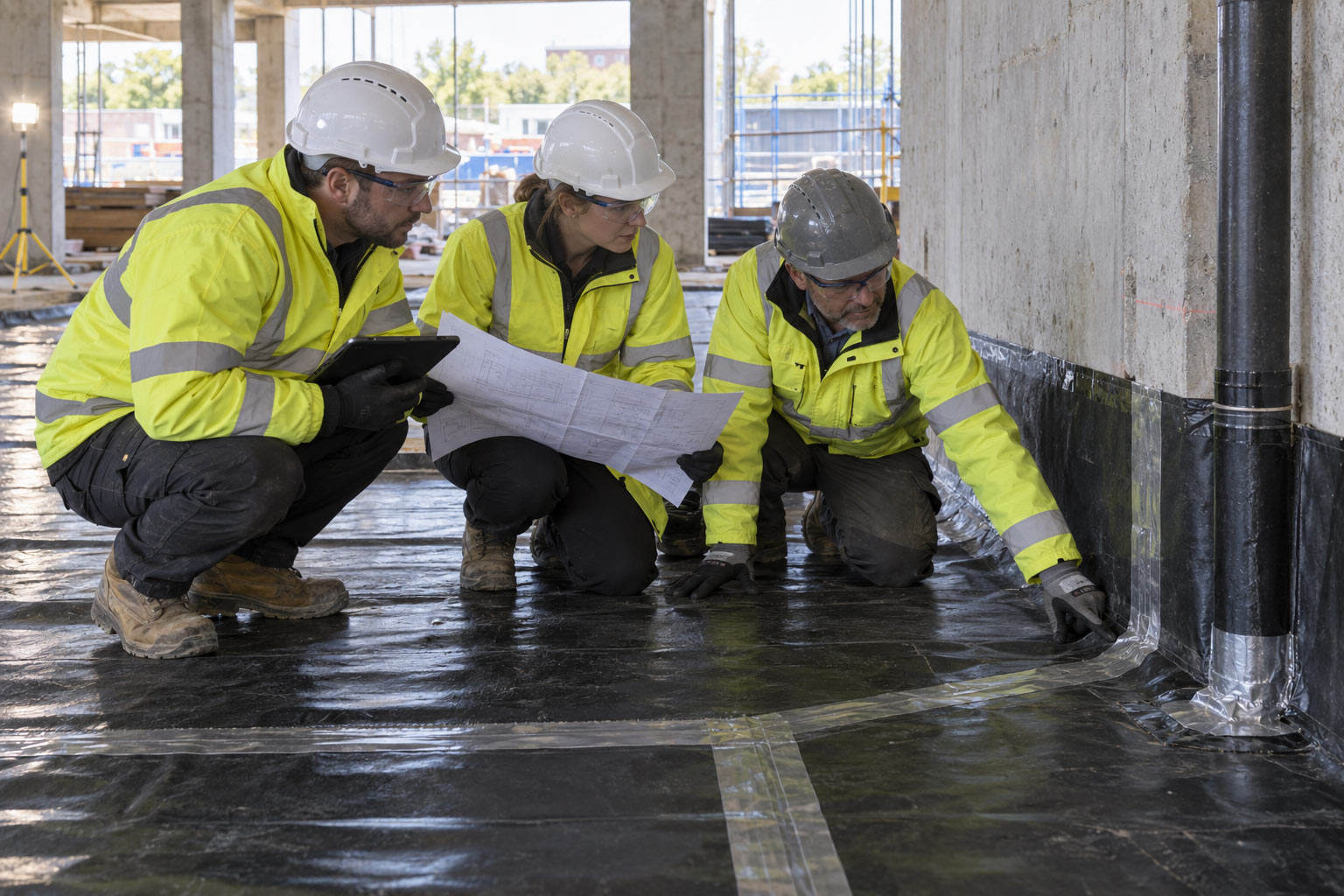
Successful below-ground protection requires more than selecting a membrane product.

The structural design, floor construction, joints, penetrations, ventilation, waterproofing and installation sequence must operate together as a complete system.

UKRS provides coordinated protection system designs from initial risk review through to construction-stage support.

Our Design Services

UKRS can design systems providing protection against:

  • Methane.
  • Carbon dioxide.
  • Radon.
  • Volatile organic compounds.
  • Hydrocarbon vapours.
  • Contaminated Made Ground.
  • Groundwater.
  • Perched water.
  • Surface water.
  • Combined gas and water risks.

Ground Gas and Vapour Protection Design

Our ground gas designs may incorporate:

  • Reinforced concrete structural barriers.
  • Gas-resistant membranes.
  • Hydrocarbon- and VOC-resistant membranes.
  • Passive ventilation.
  • Active ventilation where required.
  • Sub-floor voids.
  • Venting layers and trenches.
  • Perimeter ventilation outlets.
  • Sealed service penetrations.
  • Joint sealing systems.
  • Monitoring and access provisions.
  • Combined gas and damp-proofing systems.

The selected measures are based on the identified risks, building type, floor construction and intended use.

Structural Waterproofing Design

Our waterproofing designs may incorporate:

Type A Protection

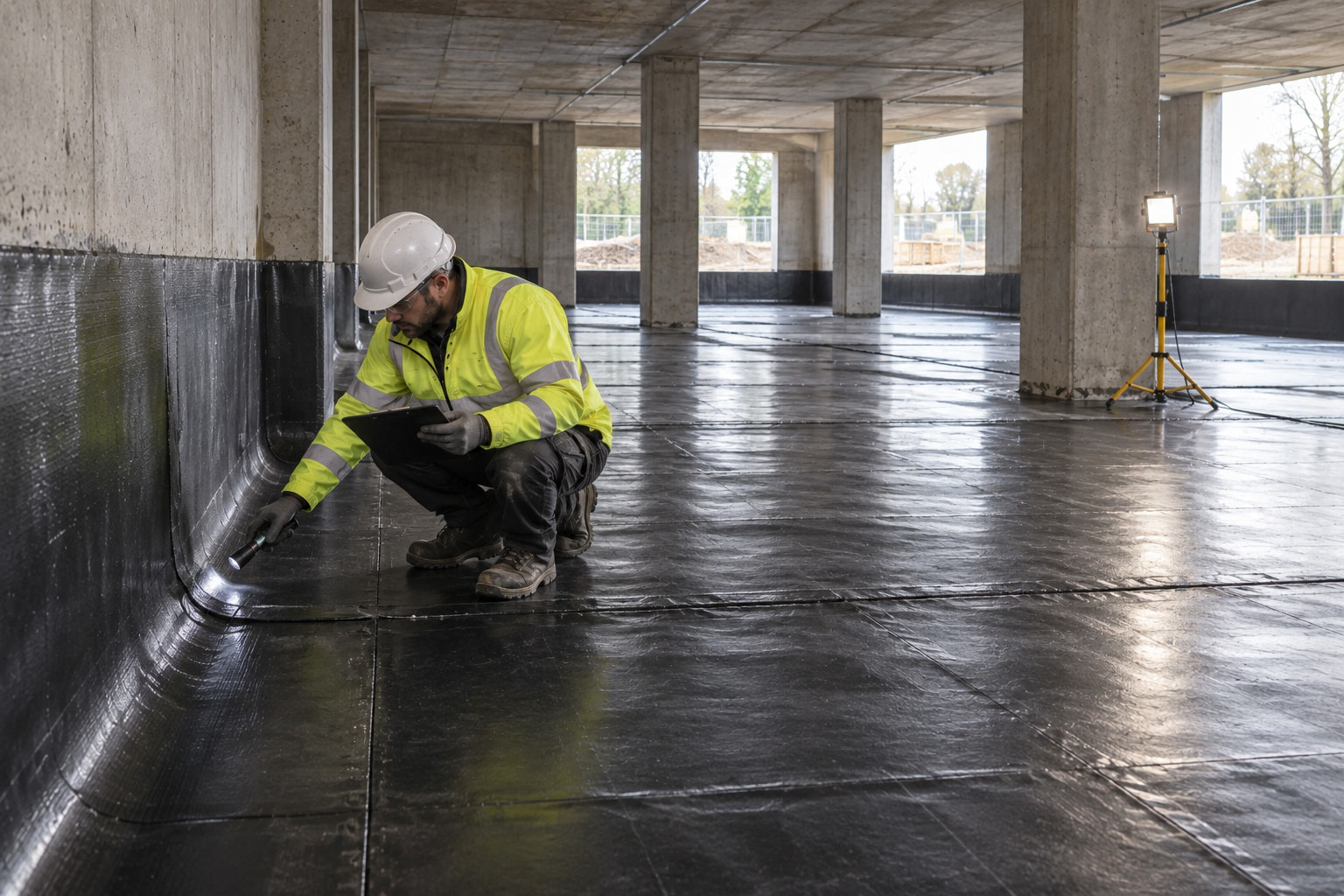
Barrier protection applied internally, externally or within the structure.

Type B Protection

Structurally integral protection provided by reinforced concrete construction and coordinated joint waterproofing.

Type C Protection

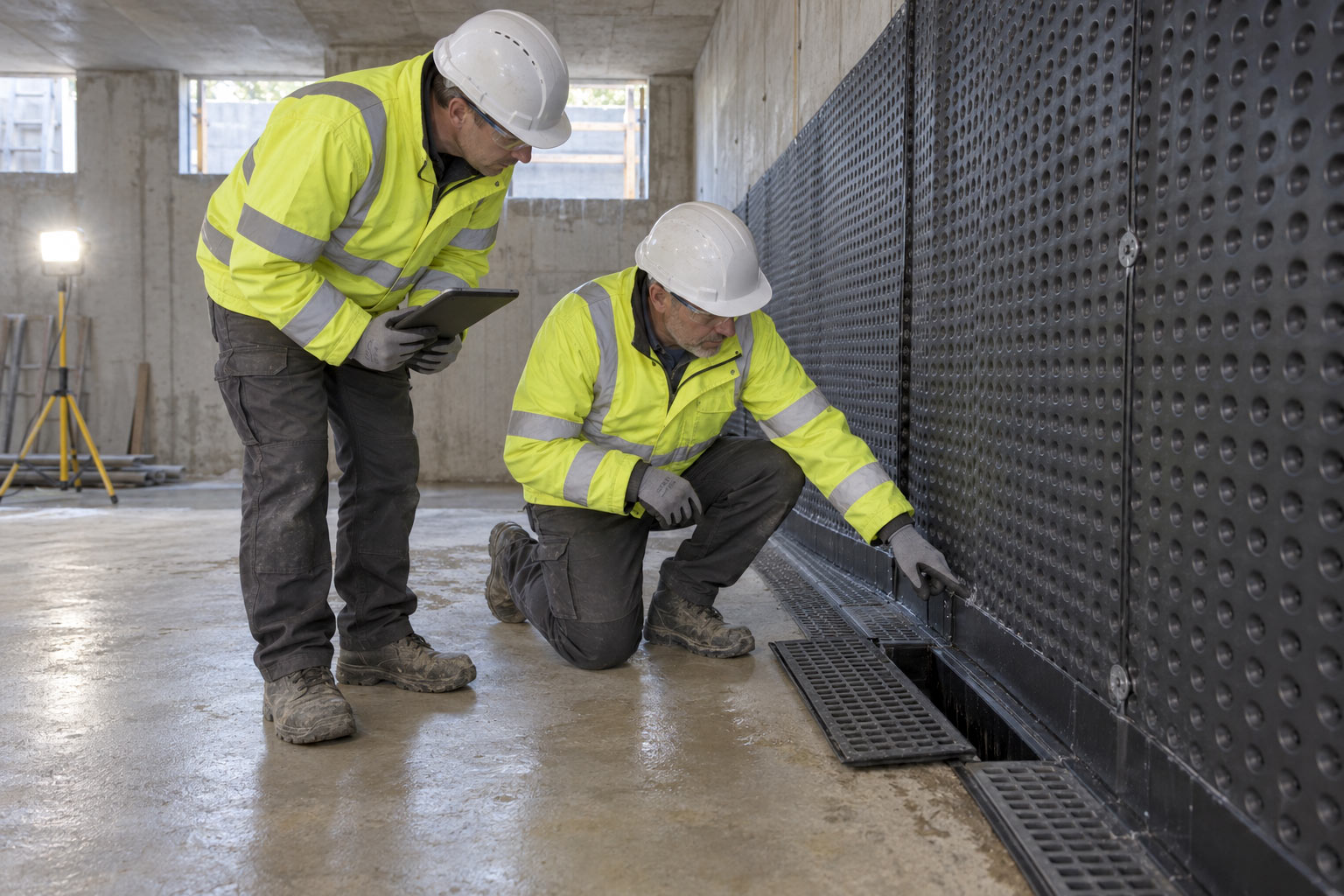
Drained protection using cavity drain membranes, channels, sumps and pumps.

Combined Protection

Two or more forms of protection used together where required by the internal environment, site risk or consequences of water ingress.

Design Information Review

Our design process may include review of:

  • Ground investigation reports.
  • Ground gas monitoring.
  • Geo-environmental risk assessments.
  • Hydrogeological information.
  • Radon data.
  • Remediation strategies.
  • Architectural drawings.
  • Structural drawings.
  • Civil and drainage information.
  • Service layouts.
  • Construction sequencing.
  • Planning conditions.
  • Warranty requirements.
  • Manufacturer technical information.

Where information is incomplete, we clearly identify assumptions, outstanding actions and information required from other members of the design team.

Design Deliverables

Depending on the appointment, UKRS can provide:

  • Design statement or technical report.
  • Protection strategy.
  • Design risk assessment.
  • Product and performance specification.
  • General arrangement drawings.
  • Construction details.
  • Membrane jointing requirements.
  • Service penetration details.
  • Joint waterproofing details.
  • Ventilation requirements.
  • Installation requirements.
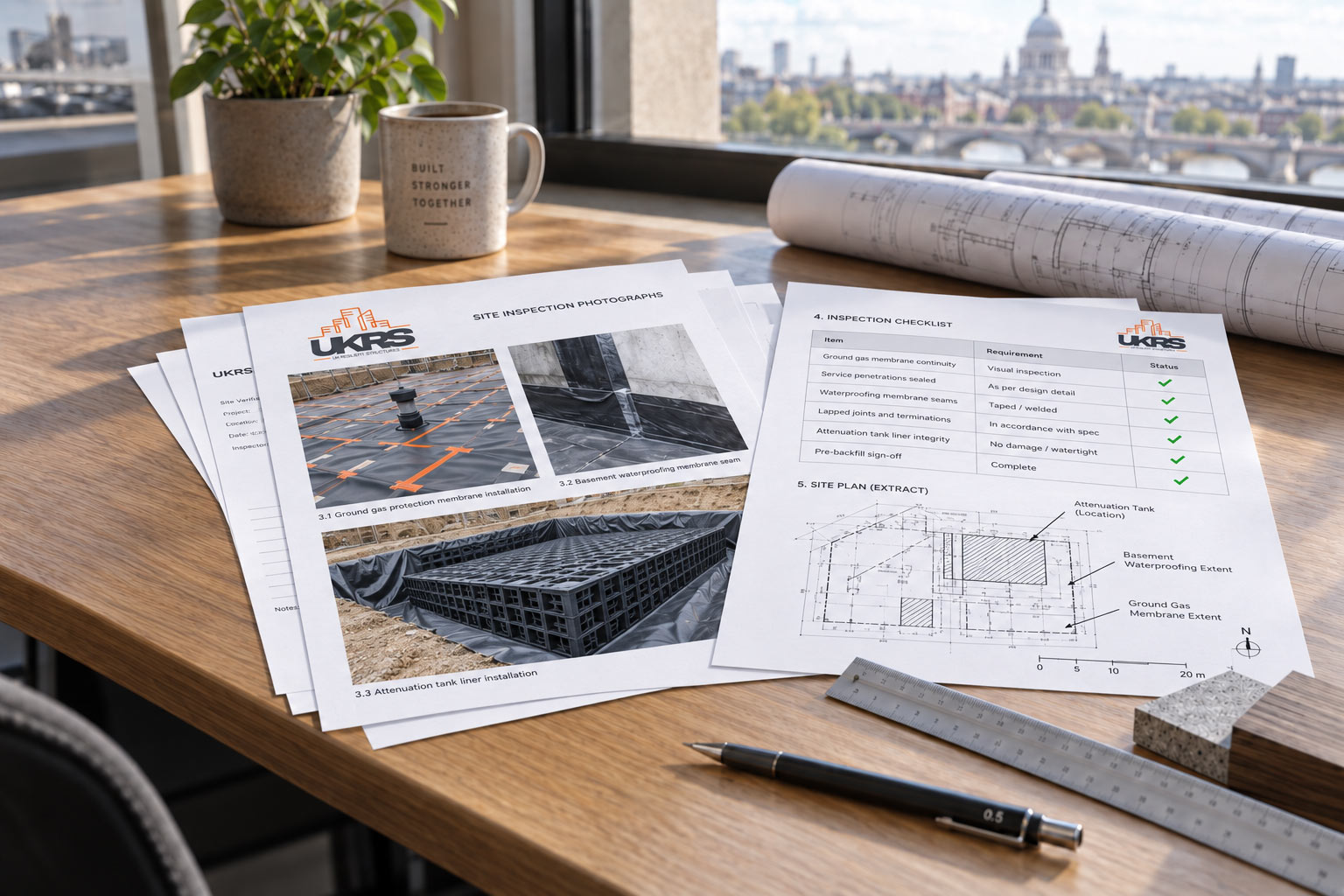
  • Inspection and verification requirements.
  • Outline verification plan.
  • Information sources and compliance references.
  • Construction-stage design support.

Coordinating Ground Gas and Waterproofing

Projects affected by both ground gas and groundwater require careful coordination.

A waterproofing product is not automatically suitable as a gas or VOC barrier. Equally, a gas-resistant membrane may not provide the required waterproofing performance.

UKRS reviews:

  • Product compatibility.
  • Membrane continuity.
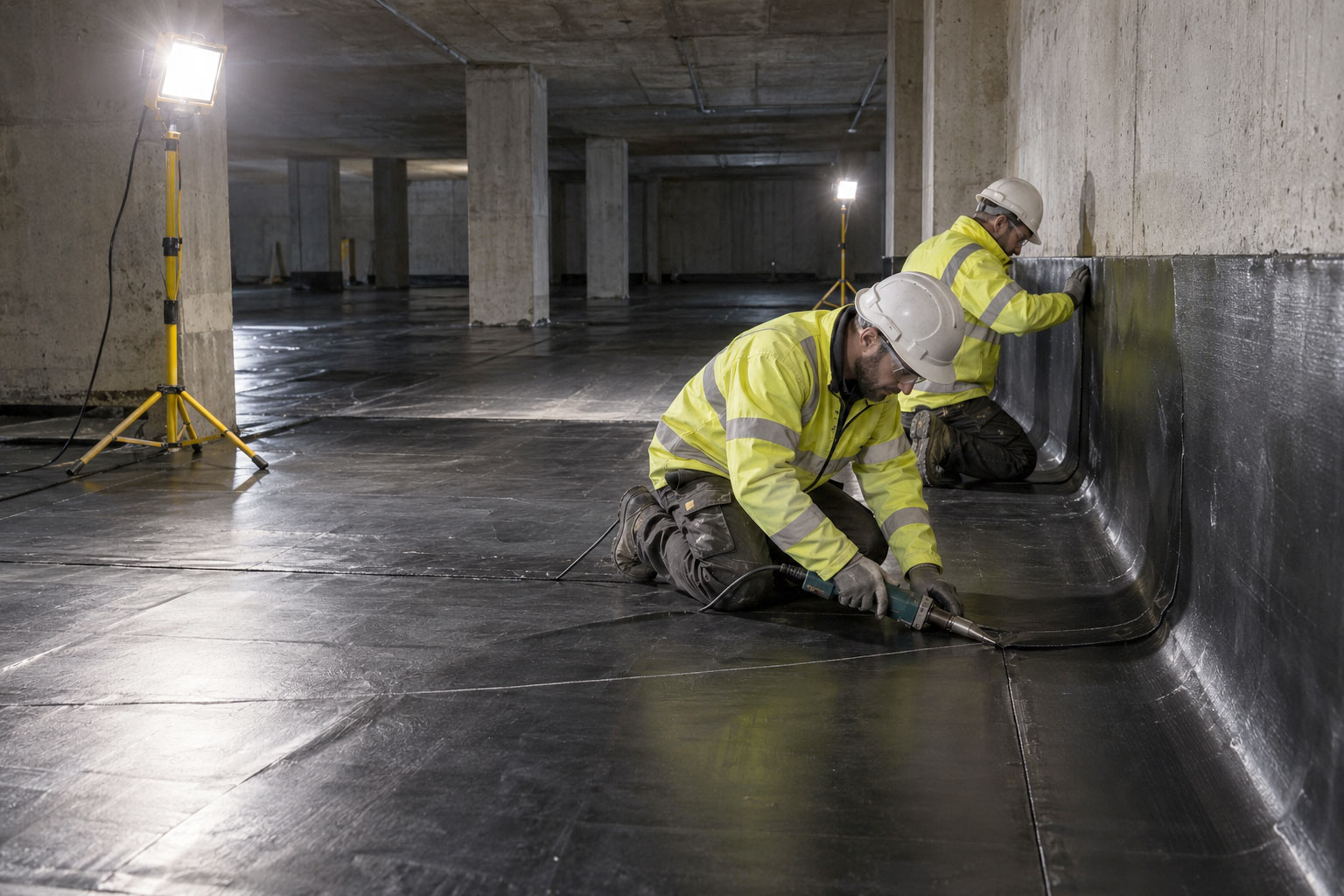
  • Jointing methods.
  • Structural interfaces.
  • Water and vapour resistance.
  • Penetration sealing.
  • Construction sequencing.
  • Repair methods.
  • Inspection access.
  • Combined system certification.

This reduces conflicting details and avoids separate systems being installed without an effective connection.

Construction-Stage Support

Our involvement can continue after the design has been issued.

Support may include:

  • Responding to technical queries.
  • Reviewing contractor proposals.
  • Reviewing alternative products.
  • Assessing proposed design changes.
  • Attending coordination meetings.
  • Providing supplementary details.
  • Reviewing unexpected ground conditions.
  • Liaising with manufacturers.
  • Updating the design following approved changes.

Start with a Coordinated Design

Send UKRS the available site investigation and construction drawings to discuss the required protection strategy.