OUR SERVICES

Ground Gas Verification

Independent Ground Gas Verification

Ground gas protection systems are installed to reduce the risk of methane, carbon dioxide, radon and contaminant vapours entering buildings.

Because membranes and associated details are usually concealed beneath the floor construction, installation defects must be identified before the protection system is covered.

UKRS provides independent, risk-based inspection and verification services throughout the construction process.

Why Is Ground Gas Verification Required?

A protection system may be correctly designed but still fail to provide the required level of protection if it is damaged, discontinuous or poorly detailed during construction. Common defects include:

  • Punctures and tears.
  • Incomplete or contaminated membrane joints.
  • Loose taped laps.
  • Poorly formed corners.
  • Inadequately sealed service penetrations.
  • Discontinuities at thresholds and changes in level.
  • Unsealed structural joints.
  • Incorrect interfaces between different products.
  • Damage caused by follow-on trades.
  • Membranes being covered before inspection.

Independent verification provides evidence that the specified protection measures have been installed and that identified defects have been repaired.

Our Verification Services

Design and Information Review

Before attending site, UKRS can review:

  • The ground investigation and gas risk assessment.
  • The remediation or protection strategy.
  • Architectural and structural drawings.
  • Membrane specifications.
  • Ventilation proposals.
  • Service penetration details.
  • Manufacturer’s installation guidance.
  • Planning and warranty requirements.

This review helps identify missing information and difficult interfaces before installation begins.

Verification Plan

A project-specific verification plan can be prepared to define:

  • The scope of verification.
  • The proposed inspection stages.
  • The anticipated number of visits.
  • The required testing methods.
  • Installer quality assurance records.
  • Photographic evidence requirements.
  • Hold points before covering.
  • Repair and retesting procedures.
  • Final reporting requirements.

The level of verification is selected using a risk-based approach.

Site Inspections

Site inspections may include:

  • Substrate and formation inspection.
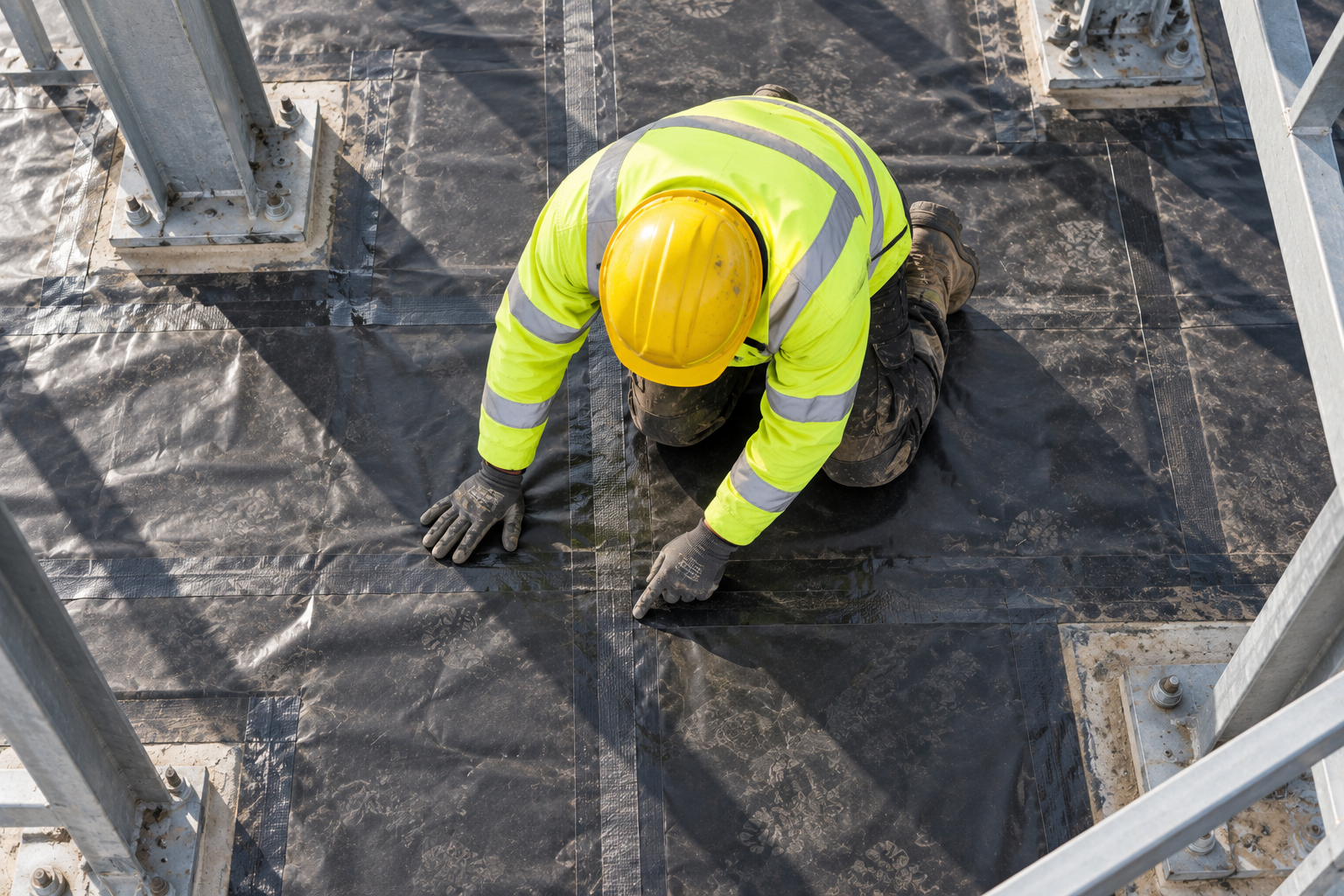
  • Membrane installation review.
  • Joint and lap inspection.
  • Penetration and service detail inspection.
  • Corner and termination checks.
  • Review of membrane transitions.
  • Ventilation system inspection.
  • Structural barrier inspection.
  • Inspection before screed, reinforcement or concrete placement.
  • Inspection of completed repairs.

Integrity Testing

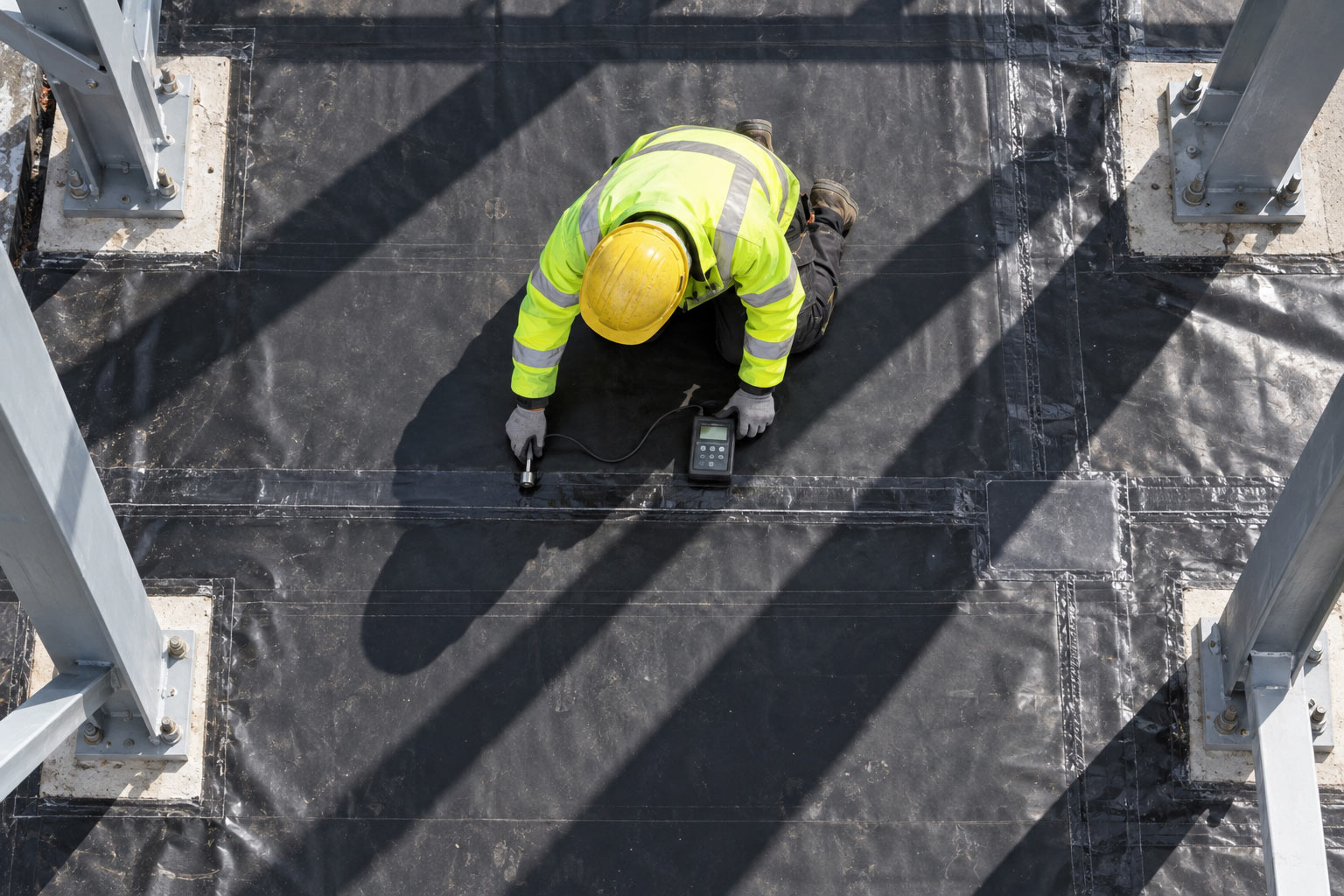
Where appropriate, UKRS undertakes or coordinates suitable integrity testing of the membrane system.

The selected test method will depend on:

  • Membrane type.
  • Jointing method.
  • System design.
  • Site conditions.
  • Accessibility.
  • Required sensitivity.
  • Manufacturer recommendations.

Any defects identified during testing are marked for repair and subsequently reinspected or retested.
Final Validation Report

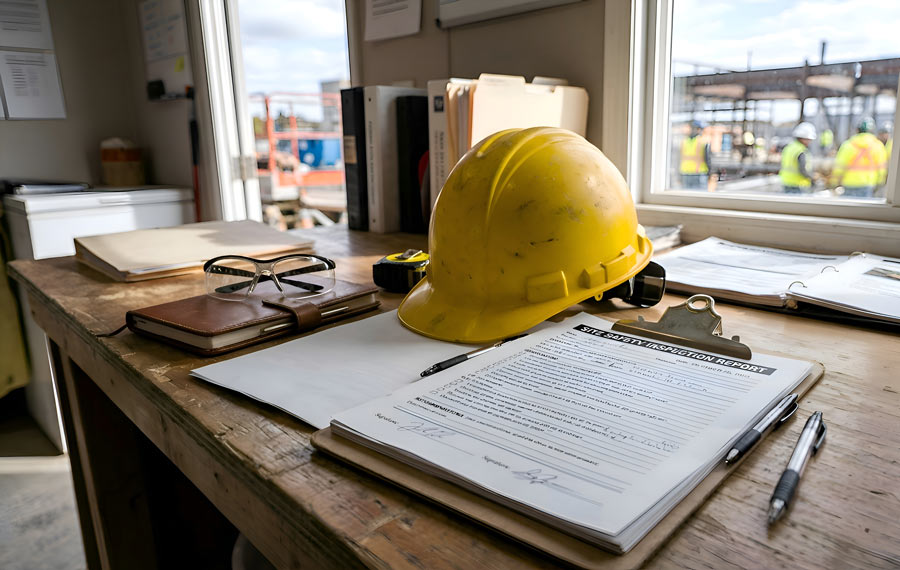
Following completion, UKRS can prepare a final report containing:

  • Project and site details.
  • Design and specification references.
  • Inspection dates.
  • Areas inspected.
  • Testing methods.
  • Photographic records.
  • Defects identified.
  • Repair records.
  • Retesting results.
  • Installer quality assurance information.
  • Limitations of the verification.
  • Conclusions and recommendations.

The report can support submissions to the local authority, building control body, warranty provider, client or other approving stakeholder.

Arrange Independent Ground Gas Verification

Send us the project drawings, ground gas assessment and proposed installation programme to receive a project-specific quotation.