
Let’s face it, nobody likes water where it doesn’t belong. You wouldn’t want soggy socks on a rainy day, and you definitely wouldn’t want soggy concrete in your brand-new building. That’s where waterproofing in construction comes in — the unsung hero that keeps water out and structures strong.
In this blog post, we’ll break down what waterproofing really means, why it’s essential, and how the pros (like us at UKRS) do it right the first time. Whether you’re a builder, architect, or someone who just loves dry basements, stick around. We promise to keep it dry and drama-free (well, mostly).
So, What is Waterproofing in Construction?
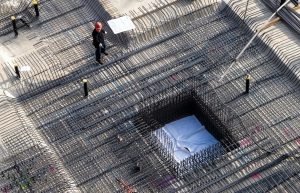
Waterproofing in construction is the process of making a building structure water-resistant or completely impermeable to water. It prevents water intrusion into walls, foundations, roofs, and below-ground spaces, protecting the structural integrity of a building and ensuring long-term durability.
Think of it as giving your building a raincoat, or better yet, a superhero cape that fights off moisture, mold, and misery.
Why is Waterproofing So Important?
Here’s the thing: water is sneaky. It seeps through cracks, creeps into joints, and wreaks havoc when ignored. Without proper waterproofing:
- Foundations can crack
- Basements can flood
- Mold and mildew can spread
- Steel reinforcements can corrode
- And your bank account can cry
Waterproofing is a critical part of building design and construction, especially in the UK, where rain is practically a national pastime.
Types of Waterproofing in Construction
Let’s get into the nitty-gritty of how waterproofing is done. Here are the most common types:
1. Membrane Waterproofing
These are sheet or liquid membranes applied to surfaces to form a barrier against water. It’s like putting cling film on your sandwich — keeps the bad stuff out.
2. Cementitious Waterproofing
One of the easiest and oldest methods. It’s great for internal areas like toilets and basements. Just mix and slap it on.
3. Bituminous Waterproofing
This asphalt-based method is ideal for roofs and foundations, providing excellent resistance to water and weathering.
4. Liquid Waterproofing Membrane
Flexible and seamless — perfect for odd-shaped surfaces. It acts like liquid armour.
5. Polyurethane Waterproofing
Often used on flat roofs and terraces. It’s durable, flexible, and UV resistant.
Where is Waterproofing Applied?
Waterproofing isn’t just a one-size-fits-all deal. It’s tailored to different parts of a structure:
- Foundations and Basements – These areas are prone to groundwater pressure. Check out our advanced solutions for ground gas protection which go hand-in-hand with waterproofing.
- Walls and Roofs – Exterior walls and roofs are always under attack from the elements. Let’s not give water any room to sneak in.
- Bathrooms, Kitchens, and Wet Rooms – Interior waterproofing ensures splashes don’t turn into disasters.
- Podium Slabs and Decks – These horizontal surfaces take a lot of abuse. Waterproofing here is non-negotiable.
What’s the UKRS Approach to Waterproofing?
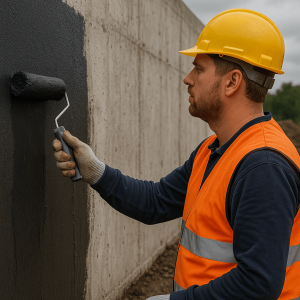
We don’t just slap on a membrane and call it a day. At UKRS, we deliver tailored waterproofing solutions backed by technical expertise and compliance with British Standards.
Our services include:
- CSSW-certified waterproofing design and consultancy
- Gas-resistant and waterproof membranes
- Basement and substructure waterproofing
We understand how waterproofing integrates with ground gas protection, and our solutions often cover both. Efficiency is our middle name (well, not officially, but you get the idea).
Common Mistakes to Avoid (Because Nobody Wants a Wet Surprise)
- Poor detailing — that tiny crack? Yeah, water loves it.
- Wrong material selection — using a roof solution in a basement? Big no-no.
- Skipping design integration — waterproofing should be part of the design, not an afterthought.
- DIY attempts gone wrong — leave it to the pros. Your future self will thank you.
Conclusion: Stay Dry, Build Smart
Waterproofing in construction is not optional — it’s essential. It protects your investment, prevents nasty surprises, and ensures your building stands strong for decades.
Whether you’re dealing with rainy roofs, soggy basements, or gas-prone grounds, UKRS has you covered. Literally. Our expert team brings the best in waterproofing, CSSW design, and ground gas protection to every project.
So, the next time someone asks “What is waterproofing in construction?”, give them a wink and say, “It’s the dry sense of security we all need.”
And if you’re building something that needs to stay dry (hint: that’s everything), give us a shout. We’ll keep the water out and the stress too.